Digital Father: A Clean Retro Sans Serif Font for Business
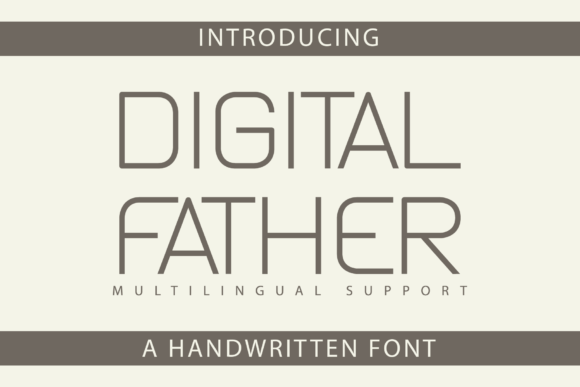
As a small business owner, I have learned that the difference between a brand that feels like a hobby and one that feels like an empire often comes down to the smallest details. One of those critical details is typography. When I discovered Digital Father, I immediately recognized it as a simple sans-serif font designed for a clean retro look that could solve many of my branding inconsistencies. With its vintage balanced proportions, this font is perfect for creating a minimalist aesthetic in tattoos, logos, web design, and countless other touchpoints where my customers interact with my business.
In the crowded marketplace of online sellers and boutique owners, standing out requires more than just a great product; it requires a visual identity that communicates trustworthiness and professionalism instantly. Digital Father offers exactly that by combining the reliability of modern sans serif fonts with the nostalgic charm of vintage typefaces. This unique blend allows entrepreneurs to craft a brand story that feels both timeless and contemporary, ensuring that every label, logo, or social media post resonates with the target audience.
Digital Father for Minimalist Logos and Brand Identity
When I started designing my own logo, I struggled to find a typeface that didn't feel too trendy or too dated until I applied Digital Father, a versatile sans serif option that bridges the gap perfectly. The vintage balanced proportions inherent in this font make it an ideal choice for logos that need to remain legible at small sizes while still making a bold statement on large signage. Unlike decorative scripts or overly complex display fonts, Digital Father provides a solid foundation for a brand identity that prioritizes clarity and approachability.
For a startup founder or a café owner, the logo is the first impression a customer has of the business. Using Digital Father ensures that this first impression is one of stability and quality. The clean lines of this sans serif font allow the brand name to stand out without unnecessary distractions, which is crucial for memorability. Whether you are printing a business card or placing a watermark on your website header, the consistent stroke weight and open counters of Digital Father ensure that your brand name is readable and impactful across all mediums.
Digital Father for Product Labels and Packaging Design
Product packaging is where the physical experience of a brand begins, and selecting the right Digital Father style can elevate a handmade candle or artisanal soap from a generic item to a premium product. As someone who sells physical goods, I know that labels must be legible even when printed on curved surfaces or textured materials. The minimalist aesthetic of this font ensures that ingredient lists, brand names, and care instructions remain clear, preventing customer confusion while maintaining a sleek, high-end appearance.
The clean retro look of Digital Father pairs exceptionally well with natural materials like kraft paper, glass, and metal, making it a top choice for eco-friendly brands and boutique beauty lines. By using this specific set of fonts for your packaging, you create a cohesive visual language that signals attention to detail. For example, a bakery might use Digital Father on cookie tins to convey a sense of tradition and quality, while a tech accessory seller could use it to suggest modern simplicity. The versatility of this sans serif typeface means it adapts seamlessly to various industries without losing its core character.
Digital Father for Web Design and Digital Marketing Assets
In the digital realm, readability is paramount, and Digital Father excels as a screen-friendly typeface that enhances user experience on websites and mobile apps. With its vintage balanced proportions, this font is perfect for creating a minimalist aesthetic in web design elements such as navigation menus, call-to-action buttons, and hero section headlines. When customers browse an online shop, they often scan content quickly; a clear, uncluttered font helps guide their eyes to the most important information, reducing bounce rates and increasing conversions.
Beyond the website itself, social media graphics require fonts that pop against busy backgrounds and diverse color schemes. Digital Father stands out beautifully in Instagram posts, Pinterest pins, and Facebook ads, ensuring that promotional messages are not lost in the noise of a crowded feed. The simple structure of this sans serif font makes it highly scalable, meaning it looks just as sharp on a smartphone screen as it does on a desktop monitor. For entrepreneurs managing their own marketing, having a reliable font that works across all digital platforms saves time and maintains brand consistency.
Digital Father for Tattoos and Custom Merchandise
While fonts are typically associated with print and digital media, Digital Father has found a unique niche in the world of body art and custom apparel due to its distinct character. With its vintage balanced proportions, this font is perfect for creating a minimalist aesthetic in tattoos, offering artists and clients a design that ages gracefully on skin. The clean lines prevent the ink from blurring over time, ensuring that the text remains crisp and recognizable years after the procedure.
Similarly, for businesses selling merchandise like t-shirts, hoodies, and tote bags, Digital Father provides a stylish option for slogans and brand names. The retro vibe appeals to a wide demographic, from Gen Z consumers looking for vintage-inspired streetwear to older generations appreciating classic design. When used on fabric, the simplicity of this sans serif font ensures that the design prints cleanly without bleeding, maintaining the professional quality of the final product. This adaptability makes Digital Father a valuable asset for any creator expanding into physical goods.
Digital Father Pairing Strategies for Professional Results
To maximize the impact of Digital Father, it is essential to understand how to pair it with other typefaces to create a dynamic and balanced layout. Since Digital Father is a simple sans-serif font designed for a clean retro look, it works best when paired with a contrasting serif font for body text or a handwritten script for accents. For instance, using Digital Father for headlines and a delicate serif font for paragraphs creates a sophisticated hierarchy that guides the reader through the content effortlessly.
Another effective strategy is to use Digital Father as the primary display font and pair it with a neutral, geometric sans serif for functional text like pricing or dates. This combination maintains the minimalist aesthetic while ensuring that all necessary information is easily digestible. Experimenting with different weights and styles within your design suite can also yield interesting results, allowing you to highlight key phrases without breaking the visual flow. Remember to always test these combinations in real-world scenarios before finalizing your brand guidelines.
Ensuring Commercial Licensing for Digital Father Usage
Before integrating Digital Father into your business materials, it is crucial to verify the licensing terms to avoid legal complications down the road. Many creators assume that purchasing a font grants unlimited rights, but standard licenses often restrict usage on products for resale, such as packaging, templates, or merchandise. As a responsible entrepreneur, I always double-check if the license covers commercial use for the specific applications I intend, whether that is for client work, internal branding, or public-facing marketing campaigns.
Investing in a proper commercial license for Digital Father protects your business and demonstrates professionalism to your partners and customers. It ensures that you have the legal right to use the font on everything from thank-you cards to large-scale advertising banners. Understanding these nuances is part of building a sustainable brand, and taking the time to secure the correct permissions allows you to focus on creativity without worrying about potential copyright issues. Always read the fine print and reach out to the designer if you have questions about specific use cases.