Kids Rabbit: A Playful Sans Serif Font for Branding
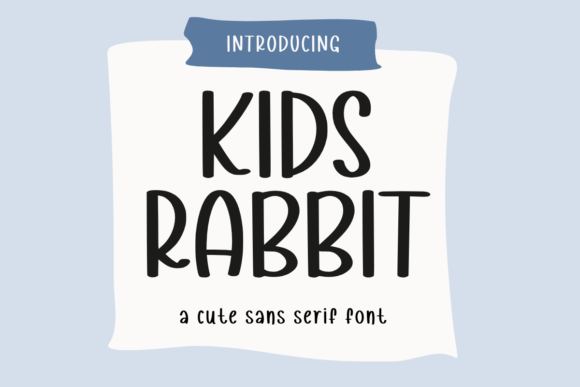
I opened my design board this morning with a blank canvas and a specific challenge from a client who runs a small, handmade children’s toy shop. They needed a visual identity that felt approachable, warm, and instantly joyful without looking childish or messy. As I scrolled through my library of Sans Serif options, I stopped at Kids Rabbit. It wasn't just another typeface; it was an irresistibly cute and lively sans serif font that seemed to bubble with personality the moment I typed a single letter. This article is my journey testing Kids Rabbit for a real branding project, moving from the first mockup to final brand materials, and why this specific set of Fonts might be exactly what your next creative project needs.
Kids Rabbit for Crafting Mood-Lifting Quotes and Personal Notes
The first thing I noticed when pulling up Kids Rabbit, an irresistibly cute and lively sans serif font, was how effortlessly it handled short-form text. The client wanted to feature mood-lifting quotes on their packaging tags and social media graphics, something that would make a parent smile while shopping. I started by typing out a few phrases like "Play Hard" and "Dream Big." With a playful appeal, it seamless transitions from digital screens to printed paper, maintaining its charm in every size. Unlike many display fonts that lose character when scaled down, Kids Rabbit keeps its rounded edges and friendly curves intact. This makes it a delightful choice for crafting mood-lifting quotes or personal notes where the emotional connection matters more than dense information delivery. In my test, the font immediately elevated the tone of the copy, turning simple instructions into inviting messages.
Testing Kids Rabbit on Packaging Labels and Stickers
Once I confirmed the vibe was right, I moved to packaging design. For a boutique toy shop, the product label is often the first physical touchpoint a customer has with the brand. I placed Kids Rabbit onto a circular sticker mockup intended for wooden blocks. The rounded terminals of the letters mimicked the softness of the toys themselves, creating a cohesive visual language. Because it is a Sans Serif typeface, it avoided the sharp serifs that can sometimes feel too rigid or formal for a play-focused brand. The font's inherent liveliness meant I didn't have to add extra decorative elements; the typography did the heavy lifting. When I exported the file to print, the lines remained crisp, proving that Kids Rabbit works beautifully as a commercial font for high-quality printing. It felt less like a generic label and more like a personalized note from the maker to the buyer.
Using Kids Rabbit for Logo Design and Brand Identity
After nailing the packaging, the real test began: could Kids Rabbit anchor the entire logo? Often, cute fonts struggle to look professional in a primary logo mark, but this Sans Serif option surprised me. I drafted three variations of the shop's name using the typeface. The bubbly nature of the characters gave the logo a sense of movement and energy, which aligned perfectly with the client's mission to encourage active play. What made Kids Rabbit stand out among other Fonts was its balance; it is whimsical but legible. Even at smaller sizes on business cards, the distinct shapes of the letters prevented confusion. This versatility is crucial for brand identity systems where consistency across different mediums is key. By choosing Kids Rabbit, an irresistibly cute and lively sans serif font, the brand instantly communicated warmth and safety, two non-negotiable traits for parents buying toys.
Pairing Kids Rabbit with Other Typography Styles
No great design relies on a single font, so I had to consider font pairing. Since Kids Rabbit carries so much personality, it needs a neutral partner to let it shine. I paired it with a clean, geometric Sans Serif for body copy and secondary information. The contrast between the playful, rounded headline and the structured, minimal supporting text created a perfect visual hierarchy. If you are working on editorial design or website headers, this combination ensures readability doesn't suffer while keeping the brand voice consistent. You could also experiment with a handwritten font for signatures or a classic serif font for a more sophisticated contrast, though the Sans Serif pairing felt most natural for this modern, youthful brand. The key is to let Kids Rabbit do the talking in headlines while the supporting typeface handles the details.
Kids Rabbit for Social Media Graphics and Digital Headers
Digital presence is just as important as physical packaging, so I tested how Kids Rabbit performed on screen. I created a series of Instagram posts featuring the new brand colors and the font in large, bold statements. The playful appeal of the typeface translated perfectly to mobile devices. On a phone screen, where space is limited, the font's open counters and clear structure made the text pop against vibrant backgrounds. Whether used for a homepage hero section or a story overlay, Kids Rabbit grabbed attention immediately. It feels like a premium font designed for the digital age, where engagement depends on stopping the scroll. The seamless integration into web design tools made the workflow smooth, allowing me to focus on layout rather than fixing kerning issues. For content creators and marketers looking to inject some joy into their feeds, this typeface is a powerful asset.
Evaluating Readability and Visual Hierarchy in Web Design
While the font is undeniably fun, readability remains the cornerstone of good design. I examined how Kids Rabbit functioned in longer paragraphs versus short headlines. While it excels as a display font or for accent text, it shines brightest in short bursts of communication. For a website header or a call-to-action button, the font's unique character guides the eye effectively. However, for long-form reading, I recommend sticking to a more traditional Sans Serif or serif font to avoid eye strain. Understanding where to use Kids Rabbit within your visual hierarchy is essential. Use it to highlight key messages, create memorable slogans, or draw attention to special offers. This strategic placement ensures that the font enhances the user experience rather than overwhelming it. It is a tool for emphasis, not necessarily for narration.
Finalizing the Project with Kids Rabbit Commercial Licensing
As we wrapped up the design files, I reviewed the licensing terms to ensure everything was secure for the client's commercial use. One of the best aspects of Kids Rabbit is that it comes ready for professional application. Whether the client plans to print thousands of stickers, launch a merchandise line, or use the font in a national ad campaign, having a robust commercial license is vital. I checked the included styles and alternates to see if there were any hidden gems for future projects. The font file formats were standard and compatible with all major design software, ensuring a smooth handoff. For freelancers and creative studios, knowing that a font like Kids Rabbit is reliable and legally sound for client work removes a significant layer of stress. It allows you to focus on creativity, knowing your design assets are protected.
Practical Tips for Testing Kids Rabbit Before Full Deployment
If you are considering Kids Rabbit for your own projects, I highly recommend running a few quick tests before committing to a full brand rollout. Print a sample page to see how the ink sits on paper, especially if you are planning textured or specialty stock. Test the font on a dark background to ensure the white space within the letters remains visible. Try it in different weights if available, or adjust the tracking manually to find the perfect spacing for your specific layout. Remember that Kids Rabbit, an irresistibly cute and lively sans serif font, is designed to bring joy, but it still follows the rules of typography. By taking the time to refine its application, you ensure that the final result is not just cute, but professionally polished. This attention to detail is what separates a hobbyist project from a successful brand identity.