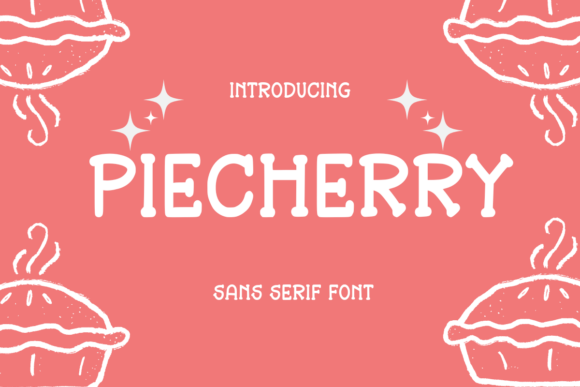
Pie Cherry: A Fun Sans Serif Font for Creative Projects
I was staring at a blank canvas in my design software, trying to finalize the cover for a new digital planner aimed at creative entrepreneurs. The body text was set, the color palette was chosen, but the title felt stiff and corporate. I needed something that breathed life into the page, something that felt approachable yet professional. That is when I discovered Pie Cherry, a fun sans serif font that immediately shifted the mood of the entire layout. As I typed out the headline, the rounded edges and playful rhythm of the characters transformed a standard productivity guide into an inviting journey. This moment highlighted why selecting the right Fonts can make or break a publication's identity.
Pie Cherry for Planners, Journals, and Personal Notes
When working on interior KDPs or printable planners, the choice of typeface dictates how comfortable a user feels writing within the pages. Pie Cherry is a fun sans serif font designed specifically to bring warmth to these functional documents. Unlike rigid geometric fonts that can feel cold on a screen or in print, this typeface mimics the organic flow of handwriting while maintaining the legibility required for daily notes. I tested it by creating a weekly spread for a lifestyle journal, using the font for day headers and task categories. The result was a layout that felt less like a chore chart and more like a friendly companion. For creators selling journals, notes, or planners, this specific style of Fonts offers a unique advantage: it bridges the gap between structured organization and personal expression.
Creating Inviting Headers for Digital Planners
The true strength of this typeface lies in its ability to serve as a decorative accent without sacrificing readability. When I applied Pie Cherry to the section titles of a digital workbook, it instantly guided the reader's eye through the content hierarchy. The rounded terminals of the letters soften the visual impact, making dense information feel lighter and more digestible. This is particularly useful for coaches and course creators who need their PDFs to feel encouraging rather than overwhelming. By using this font for key prompts and action items, the document becomes an interactive experience rather than a static list of instructions.
Pie Cherry for Interior KDPs and Book Layouts
Self-publishing authors often struggle with finding a balance between a unique voice and a clean reading experience for their interior KDPs. Pie Cherry is a fun sans serif font that solves this dilemma by offering character without clutter. While it may not be the best choice for long-form body copy due to its display nature, it excels as a chapter opener or a pull quote font. In a recent project for a children's activity book, I used this font for the story introductions and activity instructions. The playful personality of the typeface matched the whimsical tone of the illustrations perfectly. For authors looking to add a touch of charm to their non-fiction books or creative guides, incorporating this font into the front matter or sidebars can significantly enhance the overall aesthetic appeal.
Enhancing Readability in Print and Digital Books
Readability remains the cornerstone of successful publishing, whether the final output is a physical book or an ebook. The design of Pie Cherry ensures that even at smaller sizes, the characters remain distinct and clear. This is crucial for readers consuming content on mobile devices or tablets where screen resolution varies. When designing the interior of a scrapbook-style memoir or a recipe collection, using this font for recipe names or memory captions adds a layer of intimacy. It invites the reader to slow down and engage with the text personally. Unlike many decorative Fonts that become illegible when scaled down, this typeface maintains its structural integrity, making it a reliable asset for varied editorial layouts.
Pie Cherry for Cards, Invitations, and Event Branding
Event planning requires a visual language that communicates the mood of the occasion before a single word is read. Pie Cherry is a fun sans serif font that brings a sense of celebration and joy to cards, invitations, and event graphics. Whether designing a birthday invitation for a child or a casual wedding RSVP card, the font’s cheerful demeanor sets the perfect tone. I recently designed a suite of save-the-date cards using this typeface for the main event details. The soft curves of the letters paired beautifully with watercolor backgrounds, creating a cohesive and elegant look that felt both modern and timeless. For independent designers and stationery brands, having a versatile font like this in your toolkit allows for rapid prototyping of various event themes.
Designing Memorable Wedding and Party Invites
In the realm of wedding guides and party planning, the typography must reflect the couple's or host's personality. This font offers a fresh alternative to traditional script fonts, providing a modern twist that appeals to younger demographics. When used for the "Who," "Where," and "When" sections of an invitation, it stands out clearly against intricate patterns or minimalist designs. The versatility of Pie Cherry allows it to work equally well in bold headlines or lighter subtitles, giving designers the flexibility to create dynamic compositions. It is an excellent choice for those seeking a creative font that avoids the formality of classic serifs while remaining sophisticated enough for special occasions.
Pie Cherry for Scrapbooks, Memos, and Creative Ideas
Scrapbooking and memo creation are deeply personal art forms that benefit from expressive typography. Pie Cherry is a fun sans serif font that captures the spontaneous energy of these projects. When digitizing old photos or creating digital scrapbook pages, adding text with this font helps tell the story behind the images. Its informal structure encourages creativity, allowing users to mix it with other styles to create collages that feel authentic. For bloggers who share DIY ideas or craft tutorials, using this font in social media graphics or blog post headers can increase engagement by signaling a relaxed and approachable brand voice. It transforms simple memos into visual highlights that readers want to keep and revisit.
Building a Cohesive Brand Identity with Playful Fonts
A strong brand identity often relies on consistent visual cues, and typography is one of the most powerful tools in that arsenal. Incorporating Pie Cherry into your brand guidelines can help establish a friendly and accessible image. Whether you are launching a new line of printable products or redesigning a newsletter header, this font serves as a signature element that audiences will recognize. It pairs exceptionally well with clean sans serif fonts for body text or elegant serif fonts for formal accents, creating a balanced typographic system. By leveraging the unique characteristics of this typeface, creators can differentiate themselves in crowded markets and build a loyal following through thoughtful design choices.
Practical Considerations for Using Pie Cherry in Commercial Projects
Before integrating any new typeface into a commercial workflow, it is essential to verify licensing and technical compatibility. Pie Cherry is a fun sans serif font that comes with robust features suitable for professional use, but understanding the specifics ensures smooth implementation. Always check the included file formats, such as OTF or TTF, to ensure they work seamlessly with your preferred design software. Additionally, review the commercial font licensing to confirm that you have the rights to use it in paid newsletters, client publications, or digital downloads. Many designers overlook the importance of multilingual support and alternate glyphs, which can limit the scope of their projects. Ensuring that the font supports the necessary character sets and weights is a critical step in preparing high-quality assets for your audience.
Pairing Strategies for Editorial Design Success
Effective font pairing is an art that elevates the entire reading experience. When using Pie Cherry as a display font, consider pairing it with a neutral sans serif or a classic serif for body copy to maintain visual harmony. This contrast creates a clear hierarchy, guiding the reader through the content effortlessly. For example, in a magazine layout, you might use this font for the masthead and article titles while relying on a highly readable serif for the main text. This combination leverages the strengths of each typeface, ensuring that the design is both engaging and easy to consume. By thoughtfully curating your typography stack, you can create publications that stand out for their attention to detail and commitment to quality.