Romance Historic: A Timeless Sans Serif for Makers
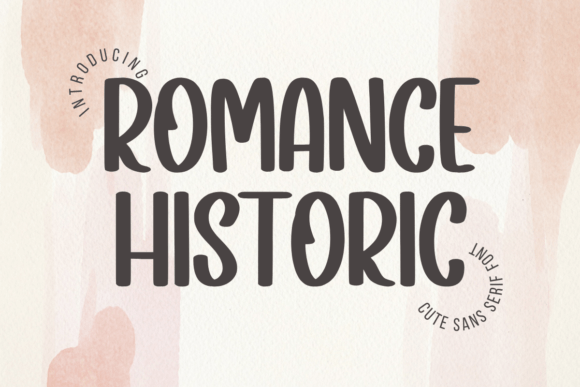
The soft morning light hit my workbench just as I was finalizing the label design for a new batch of lavender-scented soy candles. I had tried three different typefaces that felt either too playful or overly rigid, failing to capture the quiet luxury I wanted for this collection. Then I opened Romance Historic, and the moment I typed "Botanical Bliss" in the center of the mockup, everything clicked. As a maker who relies on Sans Serif fonts to bridge the gap between modern minimalism and classic elegance, finding a typeface that feels both simple and sophisticated is rare. This review explores how Romance Historic transforms product packaging, digital printables, and brand identity through its clean lines and understated charm.
Romance Historic for Elegant Candle Labels and Product Packaging
When you are designing physical goods like candle jars, soap bars, or boutique skincare, your typography is often the first thing a customer reads before they even touch the product. Romance Historic excels here because it is a Sans Serif font with a distinct lack of clutter, allowing the product name to stand out without shouting. In my testing, I applied it to a 2x3 inch kraft paper label for a small-batch candle. The clean lines of the letters remained crisp even when printed on textured paper, which can sometimes muddy more decorative fonts. Because Romance Historic is designed with readability in mind, the ingredient lists and burn time instructions were legible at a smaller point size, a critical factor for compliance and customer trust.
This font brings a sense of timeless appeal to packaging design, making your handmade items feel established and premium rather than trendy or fleeting. Whether you are creating a rustic farmhouse aesthetic or a sleek modern look, the versatility of these Fonts allows the product itself to take center stage while the typography provides a supportive, elegant frame. For makers selling on platforms like Etsy or Shopify, where listing images are your only salesperson, using Romance Historic on your packaging mockups instantly elevates the perceived value of your goods.
Using Romance Historic for Wedding Invitations and Stationery
Wedding stationery requires a delicate balance between formality and warmth, and Romance Historic hits that mark perfectly. Unlike script fonts that can sometimes be difficult to read or serif fonts that feel too traditional, this Sans Serif typeface offers a contemporary twist on classic invitation design. I tested it on a suite of wedding save-the-dates and reception cards, pairing the main event details in Romance Historic with a handwritten font for the couple's names. The result was a layout that felt curated and high-end, proving that this font is ideal for various applications in the events industry.
The understated design exudes sophistication, which is exactly what couples want their invitations to convey. It works beautifully for short phrases, such as "Together With Their Families," or "Join Us," ensuring that the essential information is never lost in decorative flourishes. For printable creators selling digital templates, offering designs featuring Romance Historic can attract buyers looking for modern, chic aesthetics that differ from the standard floral and script-heavy trends. Its clean structure also ensures that when guests receive the physical print, the text remains sharp and professional, enhancing the overall guest experience.
Romance Historic for Digital Printables and Wall Art
In the world of digital downloads, clarity is king. Whether you are creating planner pages, journal covers, or minimalist wall art, your customers need files that look great on screen and translate perfectly to home printers. Romance Historic is a standout choice for these projects because its geometric simplicity renders flawlessly across different devices and printing conditions. I recently used it for a series of motivational quote prints intended for home offices; the sans-serif style gave the artwork a gallery-ready feel that complemented both neutral and bold color palettes.
For creators selling SVGs or Cricut designs, the clean lines of Romance Historic mean fewer issues during the weeding process compared to intricate display fonts. This reliability makes it a practical asset for anyone producing stickers, tote bag designs, or t-shirt graphics. When you offer digital products, you want your buyers to have a seamless experience, and a font that maintains its integrity from the download preview to the final cut is invaluable. The timeless appeal of these Fonts ensures that your digital shop stays relevant, as customers are drawn to designs that won't look dated in a few years.
Readability and Pairing Strategies for Brand Identity
While Romance Historic is beautiful on its own, understanding how to pair it with other typefaces is key to building a cohesive brand identity. Because it is a clean Sans Serif, it pairs exceptionally well with a bold serif font for headlines, creating a striking contrast that draws the eye. Alternatively, for a softer, more organic look, try pairing it with a relaxed handwritten font for signatures or accent text. This flexibility allows makers to create unique visual hierarchies in their logos, social media graphics, and website headers.
However, it is important to note where this font might not be the best fit. While Romance Historic is highly readable, it may lose impact if used for very long paragraphs of body text in dense documents, as its elegant spacing is better suited for titles, labels, and short descriptive blocks. For technical instructions or tiny, microscopic text on small components, a standard utilitarian sans-serif might be safer. Always check the included file formats and licensing terms to ensure you have the commercial rights needed for your specific business model, whether you are selling physical merchandise or digital assets. By leveraging the strengths of Romance Historic in logo design and editorial layouts, you can craft a brand voice that feels both approachable and refined.