Xerifut: A Modern Sans Serif for Branding
I opened my design board with a blank canvas and a specific challenge in mind. The client needed a visual identity that felt both structured and deeply personal, a balance that is notoriously difficult to strike in modern typography. I began testing various Sans Serif options, but none seemed to capture the right mood until I started exploring Xerifut. It immediately stood out as a unique solution among the thousands of Fonts available today, offering a fresh perspective on how clean lines can coexist with organic expression.
Xerifut for Creating Harmonious Brand Identities
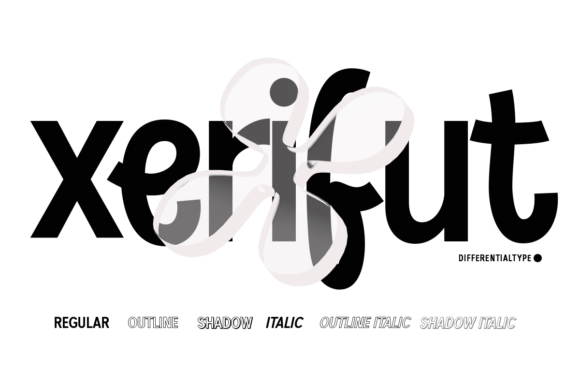
When you are embarking on a branding mission, the choice of typeface sets the entire tone of the project. Xerifut, described as a harmonious blend of sans serif and handwritten alternates, meticulously crafted to meet the diverse needs of modern design, became the cornerstone of this new identity. As I dragged the font files into my layout software, I noticed how the primary glyphs maintained a crisp, geometric structure typical of professional Sans Serif families. However, the moment I switched to the alternate characters, the personality shifted instantly. This duality allows designers to build a brand that feels reliable yet approachable, avoiding the sterile look often associated with standard geometric fonts.
The versatility of Xerifut means it works exceptionally well when you need to communicate commitment without sounding rigid. Whether you re embarking on a branding mission, committ to a long-term partnership, or launching a new product line, the font adapts to the narrative. In my mockups, I used the standard weights for headlines to establish authority and switched to the handwritten alternates for subheads and pull quotes to inject warmth. This interplay creates a dynamic visual hierarchy that guides the reader’s eye naturally through the content while maintaining a cohesive aesthetic.
Using Xerifut Alternates for Logo Design Projects
Logo design is where the true potential of Fonts like Xerifut shines brightest. For this specific project, I experimented with combining the clean sans serif base with the handwritten alternates to create a custom logotype. The result was a mark that felt bespoke, as if it were hand-lettered by a calligrapher but refined for digital scalability. Many designers struggle to find a single typeface that can serve as both a display font and a supporting body text, but Xerifut bridges that gap effortlessly.
I tested the logo on various backgrounds, from dark packaging to light stationery, and the contrast between the sharp edges and the fluid curves remained legible at every size. The handwritten alternates add a human touch that resonates with audiences looking for authenticity. Instead of relying on a separate script font that might clash stylistically, using the built-in alternates of Xerifut ensures perfect optical alignment. This approach saves time during the kerning process and guarantees that the final logo looks intentional rather than haphazardly assembled.
Xerifut Typography for Packaging and Product Labels
Once the logo was finalized, I moved on to packaging design, where readability and aesthetic appeal must work in tandem. Xerifut proved to be an excellent choice for product labels, particularly for goods that emphasize craftsmanship or natural ingredients. The sans serif foundation ensures that ingredient lists and legal disclaimers remain clear and easy to read, while the handwritten alternates allow for creative emphasis on key selling points like "handmade" or "organic."
In the physical mockups, the font's character came alive on the texture of the paper stock. The crisp lines of the sans serif elements popped against matte finishes, while the handwritten strokes added a tactile quality that invited customers to pick up the product. This level of detail is crucial for small businesses trying to stand out on crowded shelves. By using a typeface that is meticulously crafted to meet the diverse needs of modern design, we ensured that the packaging communicated quality before the customer even read the copy. It transforms a simple label into a storytelling device that aligns perfectly with the brand's values.
Integrating Xerifut into Digital Marketing Materials
Digital platforms present their own set of challenges regarding font rendering and user engagement. When I applied Xerifut to social media graphics and website headers, the font maintained its integrity across different devices and screen sizes. The clean geometry of the Sans Serif style ensures high legibility on mobile screens, which is essential for capturing attention in a fast-scrolling feed. Meanwhile, the handwritten alternates provide a unique hook that breaks the monotony of standard web typography.
For the website hero section, I paired the bold weight of Xerifut with ample whitespace to create a sense of luxury and focus. On Instagram posts, I utilized the alternates to create custom quotes and captions that felt more personal and less automated. This consistency across digital touchpoints strengthens brand recognition. Whether you re embarking on a branding mission, committ to a digital-first strategy, or simply updating your online presence, having a versatile font family like Xerifut simplifies the workflow. It eliminates the need to hunt for multiple typefaces to achieve a balanced look, ensuring that every pixel reflects the intended brand voice.
Pairing Xerifut with Complementary Type Styles
While Xerifut is robust enough to carry a design on its own, understanding how to pair it with other styles can elevate a project further. Because it already contains elements of both sans serif and handwritten aesthetics, it pairs beautifully with traditional serif fonts for editorial layouts or ultra-minimalist geometric fonts for tech-focused projects. If you choose to pair it with a serif font, the contrast between the modern structure of Xerifut and the classic elegance of the serif creates a sophisticated tension that draws the reader in.
Conversely, if you need a purely functional companion for long-form body text, sticking to the standard weights of Xerifut maintains visual harmony without introducing too many competing shapes. The key is to use the handwritten alternates sparingly as accents rather than overloading the design with them. This restraint keeps the overall composition clean and professional. For designers working on complex brand systems, this flexibility means you can adapt the font to various contexts without losing the core identity. It is a practical asset for any creative studio looking to streamline their typography library.
Practical Tips for Testing Xerifut in Client Work
Before finalizing any design system, it is vital to test the font in real-world scenarios. I recommend creating a comprehensive style guide that showcases how Xerifut performs in different weights, sizes, and contexts. Check the included styles and alternates to ensure they cover all the necessary use cases for your specific client. Look at how the ligatures function in longer sentences and verify that the multilingual support meets the audience's needs if the brand operates globally.
Also, consider the licensing terms carefully. Since Xerifut is designed for commercial use, ensure that the license covers all the intended applications, from print advertising to merchandise and web embedding. Testing the font on actual materials—printing a business card, mocking up a tote bag, or viewing it on a tablet—reveals nuances that are invisible on a monitor. These practical steps ensure that the final delivery is polished and professional. By choosing a font that is meticulously crafted to meet the diverse needs of modern design, you are investing in a tool that will serve your clients well for years to come.