Gintar: A Bold Sans Serif Font for Modern Editorial Design
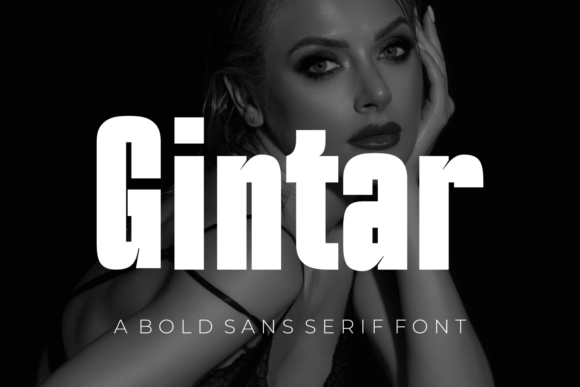
As I sat down to refresh the header of my lifestyle blog, I knew the font choice would set the tone. The design needed clarity, confidence, and a touch of modern elegance. That’s when I discovered Gintar, a bold sans serif font that features clean, modern lines. It has a strong and confident appearance, making it perfect for headlines and attention-grabbing text. The letters are easy to read, which immediately made it a top contender for my blog’s new visual identity.
Gintar for Lifestyle Blog Headers and Digital Identity
When redesigning a blog, especially one focused on lifestyle and personal growth, the header is the first impression readers get. I needed something bold but not overwhelming, modern but not cold. Gintar delivered. Its clean lines and confident structure gave the header a strong presence without sacrificing readability. I used it in a dark charcoal tone against a soft white background, and the contrast made the blog title pop with quiet authority.
Because Gintar is a bold sans serif font that features clean, modern lines, it works especially well for digital layouts where clarity matters. Whether viewed on mobile or desktop, the font held its shape and remained legible. This is crucial for a blog that aims to build trust and readability with every post.
Using Gintar in Ebook Covers and Chapter Openers
Recently, I collaborated with a recipe creator on a digital cookbook, and we wanted the cover to feel both approachable and professional. Gintar’s confident appearance made it ideal for the title. We paired it with a softer serif font for subheadings and body text, creating a visual hierarchy that guided the reader’s eye naturally.
For chapter openers, Gintar added a sense of momentum. Its bold presence gave each section a clear beginning, helping readers navigate the content with ease. Because the letters are easy to read, even in larger blocks of text like pull quotes or feature intros, Gintar maintained its legibility while adding a modern flair.
Gintar in Wedding Guides and Elegant Branding
A local wedding planner reached out asking for help designing a printable guide for engaged couples. The goal was to create something elegant yet accessible. Gintar’s strong and confident appearance made it ideal for section headers and key callouts. We used it in a muted gold tone over a cream background, and the effect was both luxurious and modern.
Because Gintar is a bold sans serif font, it balanced well with more ornate design elements like floral dividers and script accents. It provided a contemporary anchor in a design that could have easily become too traditional. This made it perfect for a modern couple looking for a stylish yet practical guide.
Pairing Gintar with Other Fonts for Editorial Layouts
One of the most satisfying parts of using Gintar was experimenting with font pairings. As a bold sans serif font, it naturally pairs well with a more subdued serif or another clean sans serif. For body text in newsletters and blog posts, I used a soft serif font that added warmth and readability. In printables and worksheets, I chose a minimalist sans serif for captions and instructions.
This kind of thoughtful pairing not only enhances visual hierarchy but also supports reader engagement. Because Gintar commands attention, it’s best used in titles, headers, and featured text. When used sparingly, it gives a design a polished, intentional feel without overwhelming the reader.
Readability Considerations Across Formats
When selecting a font like Gintar, it’s important to consider how it will perform across different formats. Whether used in a digital magazine layout, a coaching workbook, or a course PDF, the font must remain legible and consistent. I tested Gintar in both high-resolution print and mobile screen views, and it performed admirably in both.
Its clean, modern lines translated well to screen reading, and its bold structure made it stand out in mobile layouts where space is limited. For longer reading formats like ebooks or printables, I found that using Gintar for chapter titles and key headings helped break up the content visually, making it easier for readers to scan and engage with the material.
What to Check Before Using Gintar in Commercial Projects
Before integrating Gintar into any commercial project—whether it’s a paid newsletter, client publication, or digital download—it’s essential to verify the font’s licensing terms. Most premium fonts come with commercial licenses, but it’s always wise to double-check included styles, alternates, ligatures, weights, multilingual support, and file formats.
When working on a downloadable planner or course PDF, for example, I made sure that Gintar was embeddable and compatible with PDF readers. I also reviewed the font’s character set to ensure it supported all the languages and special characters I needed for international audiences. These small but critical steps ensure that the font works as well in practice as it does in concept.
Gintar for Printables, Newsletters, and Content Branding
Whether you’re designing a printable planner, a creator newsletter, or a digital magazine layout, Gintar offers a unique blend of strength and clarity. I used it in a monthly coaching workbook to highlight weekly goals and reflection prompts. Its bold presence helped guide the reader’s focus, while its modern lines kept the design feeling fresh and intentional.
In newsletter headers, Gintar added a touch of professionalism without feeling too formal. Paired with a clean, readable sans serif for body text, it helped create a branded experience that readers began to recognize and trust. Over time, this kind of consistency builds a stronger connection between content and audience.