Rangga: A Modern Sans Serif Font for Editorial Design
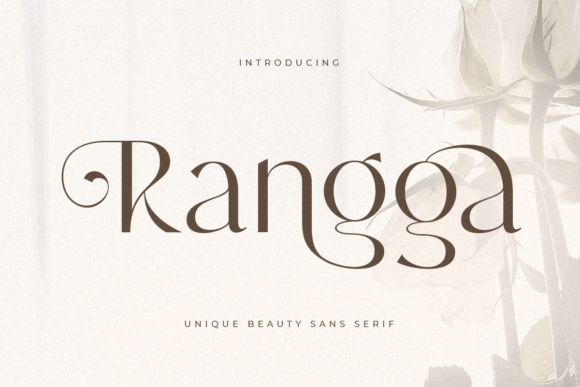
I was staring at a blank canvas in my design software, trying to finalize the cover for a new lifestyle ebook on mindful living. The layout felt flat, and the generic Sans Serif I had been using for months just wasn't capturing the quiet luxury I wanted to convey. That is when I decided to test Rangga, a modern and stylish typeface that promised to marry clean lines with subtle curves for a contemporary look. As I typed out the title, the difference was immediate; the letters didn't just sit on the page, they breathed.
For anyone creating content where visual tone matters as much as the words themselves, finding the right Fonts can be the difference between a project that feels mass-produced and one that feels curated. In this journey of redesigning my digital assets, I discovered how Rangga transforms simple text into an editorial statement, making it perfect for editorial designs, luxury branding, and web typography.
Why Rangga Elevates Luxury Branding and Premium Content
Rangga immediately stood out among other Sans Serif options because of its sophisticated balance between geometric precision and organic flow. When I applied it to the header of a mock-up for a high-end coaching workbook, the font's subtle curves softened the rigid structure of the grid, creating a mood that was both professional and approachable. This specific quality makes Rangga ideal for creators who need their work to signal quality without shouting.
In the world of premium digital products, your choice of Fonts acts as the silent ambassador of your brand identity. Unlike standard display fonts that can feel harsh or overly decorative, Rangga maintains a calm authority. It works exceptionally well for luxury branding because it avoids the clutter often found in trendy scripts or handwritten fonts. Instead, it offers a refined elegance that suggests confidence and clarity, essential traits for any author or designer building a reputation for excellence.
Creating Visual Hierarchy with Rangga in Editorial Layouts
One of the most challenging aspects of designing a magazine spread or a long-form blog post is establishing a clear visual hierarchy without overwhelming the reader. Rangga excels here, offering distinct weights and shapes that guide the eye naturally from the headline down to the body copy. As I rearranged the elements of my recipe ebook, I used Rangga for the chapter titles and pull quotes, while pairing it with a highly readable serif font for the instructions.
This combination leverages the strengths of both styles: the modern impact of the Sans Serif headlines and the traditional warmth of the serif body text. The result was a layout that felt cohesive and easy to navigate. For editorial designers, having a typeface like Rangga that can handle large display sizes with grace while remaining legible in smaller subheadings is invaluable. It ensures that every element of the publication contributes to a unified reading experience, keeping the audience engaged from the first glance to the final page.
Using Rangga for Web Typography and Digital Magazines
When I moved the project from print to screen, I needed to ensure that Rangga would translate well to web typography and mobile layouts. Testing the font on various devices confirmed that its clean lines render beautifully even at smaller pixel densities, which is crucial for modern websites and digital magazines. The open apertures and balanced spacing prevent the text from looking cramped on smartphones, a common issue with many decorative Fonts.
Digital publishing demands versatility, and Rangga delivers a contemporary look that fits seamlessly into responsive designs. Whether you are building a newsletter graphic for a weekly update or designing the navigation menu for a portfolio site, this typeface provides the sophistication needed to stand out in a crowded feed. Its ability to maintain readability across different screen sizes makes it a reliable choice for web designers who prioritize user experience alongside aesthetic appeal.
Pairing Rangga with Other Fonts for Maximum Impact
While Rangga is stunning on its own, understanding how to pair it with other Fonts can unlock even more creative potential. In my recent projects, I found that pairing Rangga with a classic serif font created a timeless contrast that worked perfectly for wedding guides and fashion editorials. The sharpness of the sans-serif headlines provided a modern anchor, allowing the softer curves of the serif body text to shine.
Alternatively, for a more minimalist approach suitable for tech blogs or modern architecture portfolios, pairing Rangga with another clean sans-serif in a lighter weight created a sleek, monolithic look. The key is to respect the personality of Rangga; it is a sophisticated font that doesn't need to compete with loud, chaotic partners. By choosing complementary typefaces that share similar x-heights or stroke widths, you can create a harmonious design system that enhances the overall message of your content.
Practical Considerations for Using Rangga in Commercial Projects
Before integrating Rangga into any paid product, such as a printable planner, a course PDF, or a client website, it is vital to review the licensing terms. As a creator, ensuring you have the correct commercial font license protects your business and respects the work of the designer. Rangga is available in various file formats compatible with major design software, making it easy to implement across different platforms.
Additionally, checking the included styles, alternates, and multilingual support is essential for global audiences. If your ebook or newsletter targets readers from diverse backgrounds, knowing that Rangga supports extended character sets can save you from future redesign headaches. This attention to detail in the technical specifications ensures that your focus remains on creativity rather than troubleshooting compatibility issues.
Designing Printables and Worksheets with Rangga
The versatility of Rangga extends beyond digital screens into the realm of physical goods like printable planners and worksheets. When I designed a set of productivity templates, the font's crisp edges ensured that the text remained sharp even after being printed on home printers. The modern and stylish nature of the typeface gave the worksheets a professional finish that users were eager to download and use.
For independent content brands selling digital downloads, the perceived value of a product often hinges on its design quality. Using a premium font like Rangga elevates a simple PDF from a basic document to a polished tool. Its clean lines and subtle curves make it perfect for section headings in journals, titles in workbooks, and captions in photography books, proving that good typography is a foundational element of successful product design.
Embracing a Contemporary Look with Rangga
After spending weeks testing Rangga across various mediums—from blog headers to ebook covers—it became clear why this font is becoming a favorite among editorial designers. It successfully marries clean lines with subtle curves for a contemporary look that feels both fresh and enduring. Whether you are refining your personal brand or launching a new publication, Rangga offers the sophistication needed to communicate your vision effectively.
In a landscape filled with generic choices, selecting a distinctive yet versatile Sans Serif can define the success of your project. Rangga does not just fill space; it adds meaning, rhythm, and style to your content. By incorporating this font into your toolkit, you invite a level of polish and professionalism that resonates with discerning audiences, ensuring your work stands out in the best possible way.