Kube: A Playful Sans Serif Font for Editorial Design
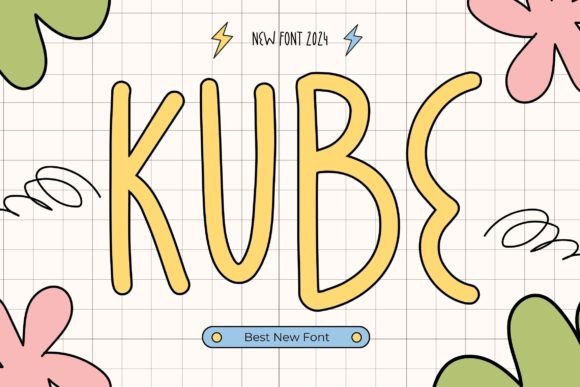
As a publisher constantly searching for the perfect typeface to elevate content, I have found that Kube stands out as a unique addition to any collection of premium Sans Serif fonts. This friendly and cute typeface brings an immediate sense of warmth and approachability to editorial layouts, making it an ideal choice for creators who want their designs to feel welcoming rather than sterile. Unlike rigid or overly formal typefaces, Kube uses rounded letterforms to soften the visual tone of articles, ebooks, and newsletters, ensuring that readers engage with the material on an emotional level before they even begin reading.
Kube for Welcoming Blog Headers and Article Layouts
When designing a blog post, the first interaction a reader has with your content is through the headline, which is why selecting the right Kube style from available Fonts is critical for capturing attention. As a Sans Serif typeface with a playful demeanor, this font transforms standard article headers into inviting entry points that signal a relaxed and enjoyable reading experience. Instead of using harsh geometric shapes that can feel impersonal, the rounded edges of Kube create a visual rhythm that guides the eye smoothly across the screen, encouraging users to scroll further down the page.
In my own editorial workflow, I often use Kube for lifestyle blogs, parenting guides, and creative tutorials where the goal is to build a personal connection with the audience. The font's inherent friendliness works exceptionally well for H1 and H2 tags, establishing a hierarchy that feels structured yet soft. By pairing this display-style heading font with a highly readable serif or neutral sans serif for body copy, you create a balanced layout that respects the reader's cognitive load while maintaining a distinct brand personality.
Creating Engaging Ebook Covers with Kube Typography
Ebook covers are the storefront of digital publishing, and using Kube as a primary title font can significantly increase click-through rates by projecting a modern and accessible vibe. Among the many Fonts available for self-publishing, this specific Sans Serif option excels at communicating that the content inside is easy to digest and enjoyable to read. Whether you are designing a recipe book, a children's story, or a wellness guide, the rounded letterforms of Kube instantly convey a sense of safety and fun, which is essential for genres that rely on trust and relatability.
The versatility of this typeface allows it to scale beautifully from small thumbnail images on marketplaces to large print-on-demand covers. When used for the main title, Kube provides a strong focal point that doesn't overwhelm the supporting imagery. For subtitles or author names, you might consider reducing the weight or spacing to maintain visual interest without cluttering the design. This strategic use of typography ensures that your ebook stands out in a crowded marketplace, appealing directly to readers looking for content that feels curated and human-centric.
Designing Friendly Newsletter Graphics with Kube
Email marketing requires a delicate balance between professionalism and personality, and Kube offers the perfect solution for newsletter headers and call-to-action buttons. In the world of digital communication, generic Fonts often blend into the background, but a playful Sans Serif like this one helps your brand voice cut through the noise of an overflowing inbox. By applying Kube to subject lines within email graphics or prominent section dividers, you create a consistent visual identity that subscribers will recognize and associate with your brand's warm tone.
I frequently recommend this font for creator newsletters, coaching updates, and community digests where the relationship with the subscriber is paramount. The rounded nature of the characters makes text feel less demanding and more conversational, which can improve open rates and engagement metrics. Furthermore, because the font is designed with clarity in mind, it remains legible even on smaller mobile screens, ensuring that your message lands effectively regardless of the device your audience is using.
Kube for Printable Guides and Educational Worksheets
For educators and course creators producing printable materials, Kube serves as an excellent tool for making learning materials feel less intimidating and more interactive. Traditional academic Fonts can sometimes feel dry or overly serious, but incorporating this cute Sans Serif into worksheets, planners, and study guides adds a layer of encouragement that motivates learners. The friendly aesthetic of Kube is particularly effective for young audiences or adult learners tackling new skills, as it reduces the perceived difficulty of the task at hand.
When designing chapter openers or activity instructions, the bold and clear structure of this typeface ensures that key information is not lost amidst decorative elements. You can use Kube for titles, sidebars, and emphasis text to create a dynamic layout that breaks up dense blocks of information. This approach not only enhances readability but also supports the overall educational goals of the document by creating a positive and supportive environment for the user.
Pairing Kube with Other Fonts for Strong Brand Identity
Achieving a professional look in editorial design often relies on smart font pairing, and Kube pairs beautifully with a wide range of complementary typefaces. Because it is a character-driven Sans Serif, it works best when contrasted with a clean, neutral sans serif for navigation and captions, or a classic serif font for long-form body text. This combination leverages the strengths of each typeface: Kube handles the emotional hook and branding, while the secondary font ensures the core content remains easy to read over extended periods.
For brands focusing on modern typography, this pairing strategy creates a cohesive visual language across all touchpoints, from social media graphics to website headers. Avoid pairing Kube with other highly stylized script or display fonts, as this can lead to visual competition and reduce overall legibility. Instead, let the playful nature of Kube shine as the star of the show, supported by understated partners that enhance its impact without distracting from the message.
Commercial Licensing and Usage Rights for Kube
Before integrating Kube into your commercial projects, it is essential to understand the licensing terms associated with this premium Font. As a creator selling ebooks, templates, or paid newsletters, you must ensure that your usage aligns with the provided license to avoid legal complications. Most high-quality Sans Serif fonts like this one offer robust commercial licenses that cover web use, print publications, and digital products, but it is always wise to review the specific details regarding redistribution and client work.
Investing in a properly licensed version of Kube protects your business and ensures that you can use the typeface freely across your various content channels. Whether you are designing a logo for a new startup, creating packaging for a product line, or building a comprehensive content library, having the correct rights gives you the confidence to scale your designs without restriction. Always verify if the license includes support for multilingual characters or specific alternates if your project requires them, ensuring that your final output is both legally sound and visually complete.