Magnum Style: A Modern Sans Serif for Editorial Impact
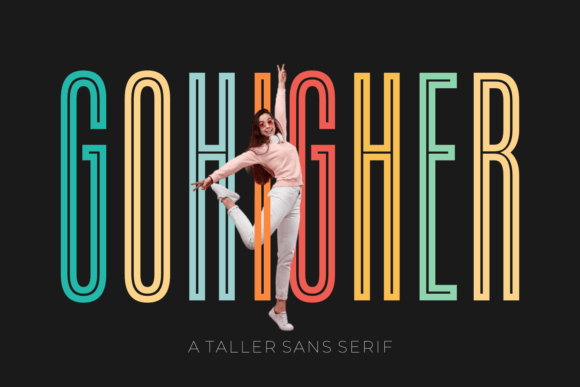
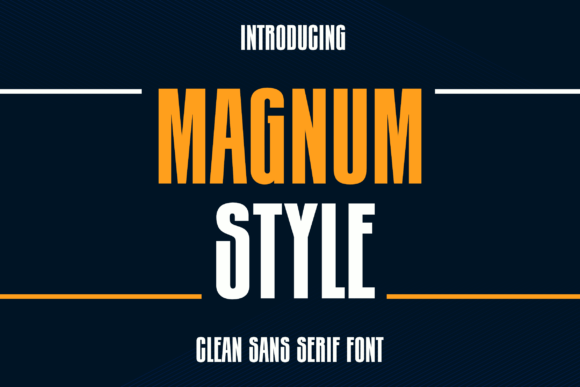
I was staring at a blank canvas in my layout software, trying to find the right voice for a new digital lifestyle magazine. The content was sophisticated and modern, yet every generic Sans Serif I tried felt too flat or too corporate. I needed something that could command attention on a cover without screaming for it. That is when I discovered Magnum Style. It immediately stood out as a sleek, elongated sans serif font with bold vertical bars and a modern, striking design. Its tall, refined form made it ideal for contemporary branding and editorial projects that demand a sense of elevated structure.
In the world of publishing, finding the perfect typeface often feels like searching for a needle in a haystack. We need Fonts that do more than just display text; they need to set the mood, guide the reader's eye, and establish an immediate brand identity. After testing Magnum Style across several real-world layouts—from newsletter headers to ebook covers—it has quickly become my go-to choice for creating visual hierarchy with elegance.
How Magnum Style Defines Contemporary Editorial Identity
When you first load Magnum Style, the most immediate characteristic is its unique verticality. Unlike standard Sans Serif options that can sometimes feel boxy or utilitarian, this typeface stretches upward, creating a rhythm that feels both architectural and organic. The bold vertical bars give it a strong backbone, making it perfect for headlines that need to anchor a page. In my recent redesign of a wellness blog, I used Magnum Style for the main navigation and article titles, and the difference was instant. The site felt less cluttered and more curated, simply because the typography provided a clear, confident structure.
This font excels in establishing a premium feel without relying on excessive ornamentation. For independent publishers and content creators, Fonts like Magnum Style serve as a silent ambassador for your brand. They communicate quality before a single word is read. Whether you are designing a high-end wedding guide or a sleek tech newsletter, the tall, refined form of this typeface suggests sophistication and forward-thinking design. It bridges the gap between minimalist aesthetics and bold statement-making, ensuring your publication stands out in a crowded feed.
Using Magnum Style for Magazine Covers and Feature Headlines
The true strength of Magnum Style shines when applied to large-scale text, such as magazine covers and feature headlines. Because it is designed with bold vertical bars, it retains its impact even when scaled up significantly. I recently tested it on a mock-up for a digital fashion magazine, placing the issue title in Magnum Style against a dark background. The contrast was stunning, and the elongated letters created a sense of movement and flow that drew the eye down the page naturally.
For editorial designers, the ability to create a striking focal point is crucial. Sans Serif fonts often struggle to maintain character at very large sizes, but Magnum Style holds its ground beautifully. It works exceptionally well for pull quotes, chapter openers, and section dividers where you want to break up long-form content with visual interest. When I applied it to a series of recipe ebook covers, the font’s modern striking design made the culinary themes feel fresh and appetizing, rather than traditional or dated. It transforms simple text into a graphic element that enhances the overall composition.
Integrating Magnum Style into Branding and Social Graphics
Beyond the page, Magnum Style proves to be a versatile asset for broader branding efforts. In today’s digital landscape, consistency across platforms is key, and having a distinctive Fonts selection helps unify your visual language. I have used this typeface for social media graphics, specifically for Instagram carousels and LinkedIn headers, where readability and style must coexist. The sleek nature of the font ensures that messages remain legible even on smaller mobile screens, while the bold vertical elements catch the eye as users scroll past.
For content creators building a personal brand, Magnum Style offers a way to look professional without appearing stiff. It pairs wonderfully with photography, allowing images to breathe while providing a structured frame for text overlays. Whether you are launching a coaching workbook, designing a printable planner, or creating assets for a paid newsletter, this font adds a layer of polish that elevates the perceived value of your product. Its modern, striking design aligns perfectly with current trends in web design and packaging, making it a future-proof choice for long-term branding strategies.
Strategic Font Pairing for Readability and Flow
While Magnum Style is a powerhouse for headlines and display text, it is important to recognize its limitations regarding body copy. As a display-oriented Sans Serif, its elongated forms and bold strokes are not optimized for dense paragraphs or small captions. Attempting to use it for long-form reading can strain the eyes and disrupt the reading flow. Instead, the smartest approach is to treat Magnum Style as the star of the show and pair it with a highly readable companion.
In my editorial workflows, I consistently pair Magnum Style with a neutral serif font for body text. This combination creates a classic yet modern tension: the bold, geometric headlines draw attention, while the warm, traditional serifs invite the reader to settle in for a longer read. Alternatively, for a more monolithic modern look, pairing it with a clean, geometric sans serif for subheads and navigation works wonders. The key is to let Magnum Style handle the hierarchy—titles, subtitles, and accents—while leaving the heavy lifting of readability to a more conventional typeface. This strategy ensures your content remains accessible while maintaining a unique visual signature.
Practical Considerations for Commercial Use and Licensing
Before integrating any new typeface into your workflow, especially for client work or commercial products, it is vital to verify the licensing terms. Magnum Style is a premium font, and understanding what you are purchasing is essential for legal compliance. Check if the license covers web use, app integration, print runs, or resale within templates and ebooks. Many creators overlook this step until they are ready to launch a product, which can lead to costly revisions later.
Additionally, take time to explore the included styles and file formats. Does the package offer multiple weights, alternates, or ligatures that can add variety to your designs? Multilingual support is another critical factor if your audience is global. Ensuring that Fonts like Magnum Style support the characters you need prevents broken text in your final exports. By doing your due diligence on the technical specifications and licensing, you secure a smooth creative process and protect your business from potential pitfalls.
Why Magnum Style Elevates Your Content Layout
Ultimately, typography is about communication, and Magnum Style communicates confidence and clarity. Its sleek, elongated sans serif form with bold vertical bars offers a distinct personality that resonates with modern audiences seeking authenticity and style. Whether you are refining a blog header, crafting a newsletter graphic, or designing a comprehensive editorial layout, this font provides the structural integrity and aesthetic appeal needed to succeed.
It is rare to find a typeface that balances boldness with refinement so effectively. Magnum Style does not just fill space; it shapes the narrative of your design. For bloggers, publishers, and designers looking to elevate their visual identity, this font is more than a tool—it is a strategic asset. By choosing Magnum Style, you are investing in a design language that is timeless, adaptable, and undeniably striking.