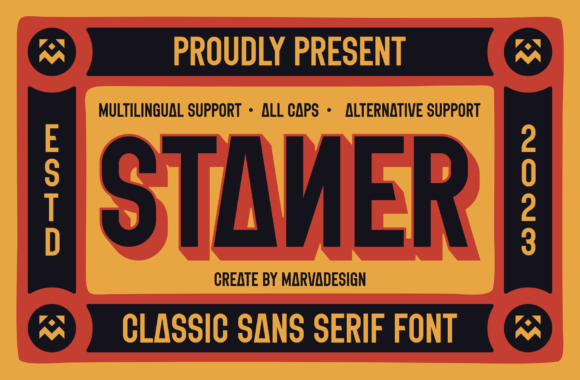
Staner: A Timeless Sans Serif for Editorial Design
I was sitting in front of a blank InDesign file, staring at the cover layout for a new lifestyle newsletter, when I realized the current typeface was fighting the content. The project required a voice that felt established yet approachable, something that wouldn't scream for attention but would command respect through clarity. That is exactly when I turned to Staner. As a classic sans serif font, it immediately brought a sense of calm order to the chaotic draft. It is clean and straightforward, with no fancy extras, making it perfect for projects that need a simple, timeless look. In the world of digital publishing, where trends shift weekly, finding a typeface that feels both modern and enduring is rare. Staner offers that stability, acting as a quiet anchor for your visual hierarchy.
Why Staner Works for Minimalist Blog Headers and Titles
When designing blog headers, the goal is often to create an immediate connection between the reader and the topic without visual noise. Staner excels here because its geometry is balanced and unobtrusive. Unlike many display fonts that rely on exaggerated curves or decorative flourishes, this sans serif font allows the words themselves to take center stage. I tested Staner across several article titles for a wellness-focused site, and the result was a noticeable improvement in perceived professionalism. The strokes are consistent, ensuring that even at larger sizes used for hero sections, the text remains legible and inviting. For creators who want their content to feel curated rather than cluttered, using Staner for headers creates a sophisticated entry point. It signals to the audience that the content within is thoughtful and well-structured, setting a tone of reliability from the very first glance.
Creating Visual Hierarchy with Clean Sans Serif Fonts
A strong editorial layout depends entirely on how well the typography guides the eye. Staner provides the necessary contrast to establish a clear visual hierarchy without needing aggressive weight changes. Because it is a classic sans serif font, it pairs effortlessly with more traditional serif body copy, creating a dynamic tension that keeps readers engaged. In my recent redesign of a recipe ebook, I used Staner for chapter openers and section dividers. The lack of fancy extras meant the font didn't compete with the food photography; instead, it framed the images beautifully. This approach is crucial for digital products like PDFs and workbooks, where whitespace and typography must work together to prevent cognitive overload. By keeping the headings crisp and the structure logical, Staner helps maintain the flow of information, ensuring that users can navigate complex documents with ease.
Using Staner for Wedding Guides and Elegant Branding
Wedding planning materials require a delicate balance between celebration and organization. Whether you are designing a wedding guide, a seating chart, or a brand identity for a boutique event planner, the choice of typeface sets the emotional mood. Staner brings a refined elegance that feels appropriate for high-end events without appearing overly formal or stiff. Its clean lines suggest a modern sensibility, making it ideal for couples who prefer a minimalist aesthetic over ornate script fonts. I recently applied Staner to a series of printable planners for a wedding coordinator, and the feedback highlighted how the font made the dense information feel manageable. When used for branding, such as on business cards or social media graphics, Staner communicates trust and precision. It is a versatile tool for anyone looking to elevate their design assets while maintaining a cohesive and professional image.
Pairing Staner with Serif Fonts for Printables and Ebooks
One of the most effective strategies in editorial design is font pairing, and Staner is an excellent partner for a wide range of serifs. Fonts like Georgia, Merriweather, or even a classic Times New Roman complement the geometric simplicity of Staner perfectly. When creating long-form content like ebooks or coaching workbooks, readability is paramount. Using Staner for titles and subtitles while reserving a highly readable serif for the body text creates a rhythm that is easy on the eyes. This combination works particularly well for printables, where the text needs to be sharp and clear after being downloaded and printed by the end user. The stark contrast between the modern sans serif headings and the traditional serif paragraphs adds depth to the page, preventing the layout from feeling flat. For independent authors and course creators, this pairing strategy ensures that their educational materials look polished and authoritative.
Ensuring Readability Across Digital Platforms with Staner
In today's multi-device environment, a font must perform well on everything from a desktop monitor to a smartphone screen. Staner is engineered with these realities in mind, offering excellent legibility at various sizes and resolutions. As a classic sans serif font, it avoids the common pitfalls of thin strokes that disappear on low-quality screens or small mobile displays. I tested the font in a responsive newsletter template, and the text remained crisp and distinct even when viewed on a compact device. This adaptability makes it a safe choice for commercial use in web design and email marketing campaigns. Furthermore, the straightforward nature of the characters ensures that they render consistently across different operating systems and browsers. For publishers who distribute content globally, knowing that your typography will hold up under scrutiny is essential. Staner delivers that consistency, allowing you to focus on crafting compelling messages rather than troubleshooting rendering issues.
Evaluating Commercial Licensing and File Formats for Creators
Before integrating any typeface into a revenue-generating project, it is vital to understand the licensing terms and available file formats. Staner is designed to meet the needs of professional designers and entrepreneurs, typically offering robust commercial licenses for use in client work, paid newsletters, and digital downloads. Always verify that the specific license covers your intended use case, whether that is embedding the font in an interactive PDF or using it for merchandise packaging. Additionally, check the included styles and weights to ensure they align with your design requirements. While Staner is known for its clean and straightforward aesthetic, having access to multiple weights allows for greater flexibility in creating emphasis and variety within your layouts. For those selling templates or design assets, having a reliable, licensed font like Staner can significantly increase the value and appeal of your products. It provides a foundation of quality that buyers recognize and appreciate.
When to Avoid Staner in Dense Text Layouts
While Staner is a powerful tool for headings, titles, and short bursts of text, it may not be the best choice for every application. Sans Serif fonts, especially those with a distinct character like Staner, can sometimes become fatiguing if used for large blocks of body copy. In formal reports, academic papers, or novels where thousands of words need to be read continuously, a dedicated text serif font often provides better readability and comfort. The clean and straightforward nature of Staner is its greatest strength for branding and headlines, but it lacks the subtle variations found in specialized book fonts that guide the eye over long passages. Therefore, it is wise to reserve Staner for structural elements—such as pull quotes, captions, navigation menus, and cover text—while relying on other typefaces for the main narrative. Understanding these limitations ensures that your final design achieves the right balance between style and function.
Finalizing Your Editorial Identity with Timeless Typography
Choosing the right font is one of the most impactful decisions you can make for your publication or brand. Staner offers a path forward for those seeking a design language that is both contemporary and enduring. Its ability to remain clean and straightforward, with no fancy extras, makes it perfect for projects that need a simple, timeless look. Whether you are launching a new blog, redesigning a magazine cover, or creating a suite of digital products, Staner provides the structural integrity needed to support your content. By focusing on readability, visual hierarchy, and elegant pairing, you can create a cohesive experience that resonates with your audience. In a landscape filled with fleeting trends, investing in a classic sans serif font like Staner ensures that your work will stand the test of time, maintaining its relevance and appeal for years to come.