Protone: A Contemporary Sans Serif Typeface for Editorial Design
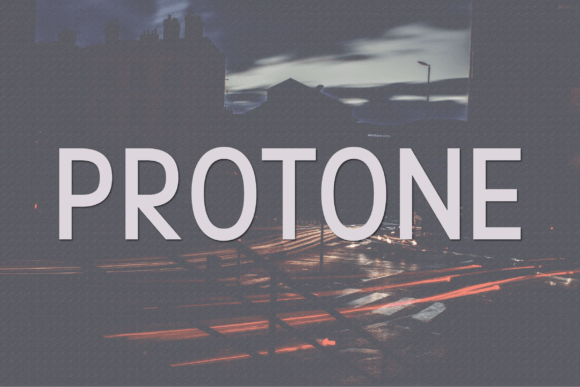
The cursor hovered over the blank canvas of a new lifestyle blog redesign, the silence of the room filled only by the hum of the computer fan. I needed a header that could carry the weight of a modern brand without shouting, something that felt both grounded and effortlessly stylish. In those quiet moments of editorial decision-making, finding the right Protone often feels like discovering a missing piece of a puzzle you didn't know you were solving. Embrace the refined sophistication of Protone, a contemporary sans serif typeface that immediately brought clarity to the chaotic layout on my screen. This stylish font family is loaded with uppercase letters alongside a numeric suite from 0-9, complemented by an extensive range of glyphs that made the difference between a generic template and a bespoke publication identity.
Protone for Modern Blog Headers and Brand Identity
When selecting Fonts for a digital publication, the primary goal is always to establish a visual rhythm that guides the reader through the content while reinforcing the brand's voice. Protone excels in this regard, offering a clean, geometric structure that remains highly legible even at large display sizes. As a designer reviewing this typeface for a potential lifestyle blog overhaul, I found that the letterforms possess a subtle warmth that prevents the design from feeling too sterile or corporate. The way the strokes terminate and the spacing between characters creates a natural flow, making it an ideal choice for main navigation bars, hero section titles, and section dividers.
In the context of building a strong brand identity, Sans Serif options are often preferred for their versatility across different media platforms. Protone delivers a premium look that elevates simple text into a design element. Whether you are creating a minimalist portfolio site or a vibrant fashion magazine, the uppercase letters provide a commanding presence that anchors the page. The font does not compete with high-resolution imagery; instead, it frames the visuals, allowing the photography to breathe while ensuring the headlines remain the focal point. This balance is crucial for maintaining reader attention in an era of short attention spans.
Protone for Wedding Invitations and Elegant Event Branding
Transitioning from digital screens to print materials, the utility of Protone becomes even more apparent when designing intimate event collateral. I recently tested this typeface for a mock wedding invitation suite, aiming for a look that was modern yet timeless. The result was a sophisticated aesthetic that felt appropriate for a contemporary celebration. The uppercase letters, in particular, offer a grandeur that works beautifully for names and dates, while the numeric suite from 0-9 ensures that times and venue numbers are rendered with precision and style.
For designers specializing in wedding guides or event planning workbooks, having a font that can handle both decorative headers and functional information is invaluable. Protone bridges this gap seamlessly. It avoids the overly ornate flourishes of script fonts, which can sometimes hinder readability, while still providing enough character to feel special. When paired with a delicate paper texture or a high-quality matte finish, the clean lines of this Sans Serif font create a tactile experience that guests appreciate. It is a reliable choice for couples who want their stationery to reflect a curated, editorial mood rather than a traditional, heavy-handed approach.
Protone for Recipe Ebooks and Digital Magazine Layouts
Content creators producing recipe ebooks or digital magazines require typography that supports complex layouts without sacrificing clarity. In these formats, the hierarchy of information is paramount; readers need to instantly distinguish between a chapter title, a step-by-step instruction, and a serving size. Protone serves as an excellent anchor for these structural elements. Its open apertures and balanced stroke weights ensure that even when scaled down for subheadings, the text remains crisp and easy to read on tablets and e-readers.
Working on a sample recipe ebook, I utilized Protone for the chapter openers and pull quotes, finding that its geometric nature provided a refreshing contrast to the organic shapes of food photography. The font's ability to hold its own against busy backgrounds makes it a robust tool for editorial design. Furthermore, the inclusion of a full numeric suite means that measurements, temperatures, and timing instructions can be typeset consistently throughout the document. This consistency is key to professional-looking publications, where every detail contributes to the overall perception of quality. For authors and self-publishers, choosing a versatile font like this reduces the need to juggle multiple typefaces, streamlining the design process significantly.
Protone for Coaching Workbooks and Printable Planners
The rise of digital products has created a massive demand for clean, functional typography in coaching workbooks and printable planners. These documents often rely on a mix of instructional text, motivational quotes, and data entry fields. Protone fits perfectly into this ecosystem, offering a friendly yet authoritative tone that encourages engagement. When designing a weekly planner page, the font's clarity ensures that users can write within the designated spaces without the typeface distracting them from their tasks.
As a creator selling digital downloads, the visual appeal of your product covers and interior pages directly impacts conversion rates. Using a contemporary Sans Serif like Protone signals professionalism and attention to detail. The font works exceptionally well for worksheet titles and daily affirmations, providing a sense of calm order that aligns with the purpose of productivity tools. Unlike some display fonts that can become illegible at smaller sizes, Protone maintains its integrity across various applications, from large cover banners to small checklist items. This adaptability makes it a cost-effective solution for creators looking to build a cohesive suite of products under a single brand umbrella.
Practical Font Pairing and Readability Considerations for Protone
While Protone is a powerful standalone display font, understanding how to pair it with other typefaces is essential for creating a complete editorial system. For body copy, especially in long-form articles or dense paragraphs, it is generally advisable to pair Protone with a highly readable serif font or a neutral sans serif designed for extended reading. This combination leverages the personality of Protone for headlines while ensuring that the narrative content remains comfortable for the eyes over time. The contrast between the geometric boldness of the headers and the flowing curves of a serif body text creates a dynamic visual hierarchy that keeps readers engaged.
It is also important to consider the limitations of any display font. While Protone is stunning for titles, subtitles, and pull quotes, it may not be the best choice for footnotes, captions, or legal disclaimers where extreme legibility at very small sizes is required. Before finalizing a design, always test the font on different devices and in various lighting conditions to ensure it performs as expected. Additionally, verifying the commercial licensing terms is a critical step for anyone using these Fonts in paid newsletters, client projects, or digital products. Ensuring you have the right permissions protects your business and respects the work of the type designer.
Ultimately, the decision to use Protone comes down to the mood you wish to convey. If your project requires a touch of modern elegance, a structured yet approachable voice, and a design that stands out in a crowded feed, this typeface is a compelling option. From the first glance at a blog header to the final turn of a printed page, Protone offers the refined sophistication needed to elevate your content. By integrating this stylish font family into your workflow, you are not just choosing a set of letters; you are curating an experience that resonates with your audience and defines your publication's unique identity.